Thriving with the dominoes life hands you
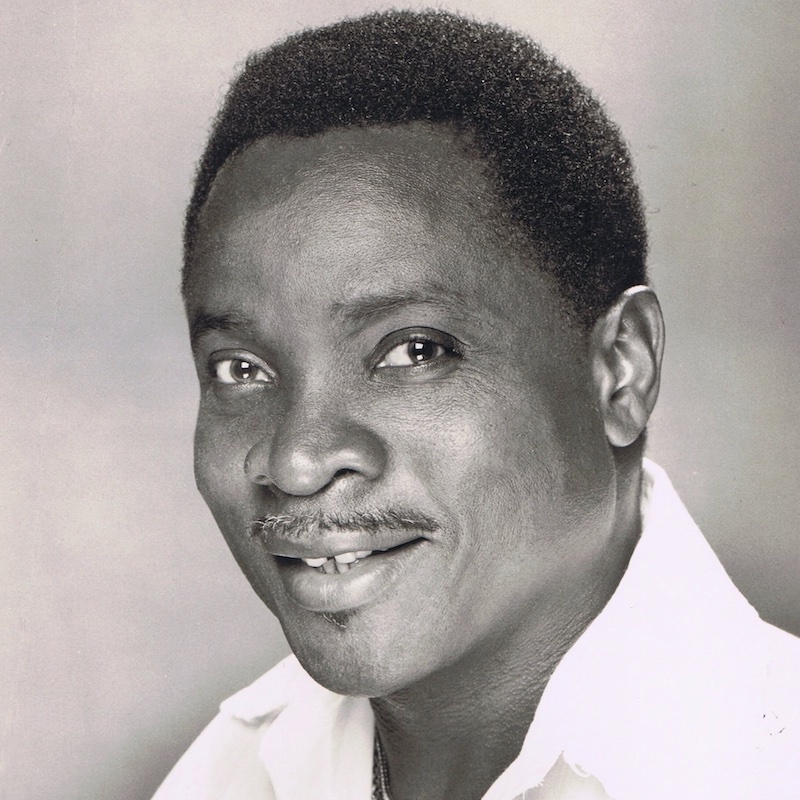
The Saba Heritage Center will premiere Changá, a new film by Francio Guadeloupe, this Friday on Saba. Recently, Caribbean Network sat down with Guadeloupe to discuss the project and the ideas behind it.
Guadeloupe is a cultural anthropologist at the University of Amsterdam and holds a chair in the Public Anthropology of Kingdom Relations. The film is part of his work in this field, exploring themes that are central to his research and engagement across the Dutch Caribbean.

‘Pre-USM’ support
No stranger to the region, Guadeloupe previously served for four years in Sint Maarten as Dean and President of the University of St. Martin (USM). During the interview, he explained that one of the initiatives he developed there helped inspire the film. The program, known as ‘pre-USM,’ was designed to support students who had been disproportionately placed into lower educational tracks, including the MBO level, and to create pathways toward greater educational opportunities.
He recalled that many students assigned to these tracks came from specific neighborhoods, making it clear that geography and social circumstances played a significant role. “When I visited the secondary schools, many of these young people were referred to me. They had the potential to do much better, but factors such as unstable family situations, absent parents, and a lack of quality after-school programs often limited their opportunities,” he said. “There was nothing wrong with the schools they attended, but I believed that students with greater cognitive and other abilities deserved a second chance. That belief led to the creation of the pre-USM program.”
 Watch on YouTube (opens in a new tab)
Extremely visual generation
Guadeloupe said that while academic papers remain important, he wanted to reach a broader audience. “There is a generation that is extremely visual,” he said. “A film was a way of translating much of the research findings into a format that more people could access, discuss, critique, and connect with. That’s how Changá emerged as one of the products of this work.”
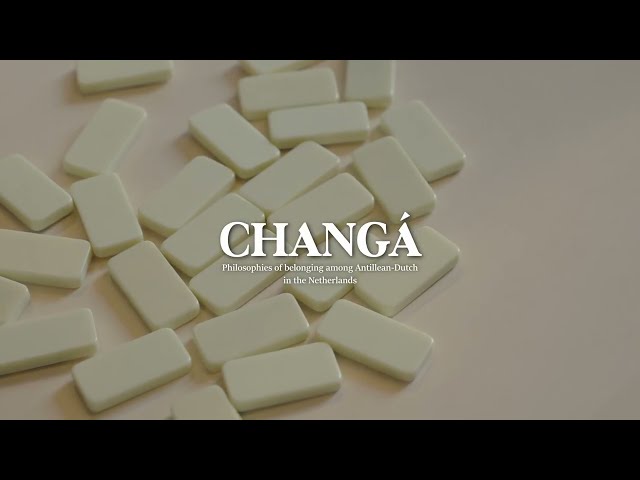
Explaining the title, Guadeloupe noted that changá has several meanings. For the film, however, it refers to a term used in dominoes, where a player can win from either side of the table. “It became a metaphor recognizing that young people in the Netherlands with Dutch Caribbean roots want to succeed in the Netherlands while also being recognized on their islands,” he said. “They want to build successful lives on both sides, and that is what Changá means in the film.”
Blessing or curse?
To develop the project, Guadeloupe organized talk shows in Dutch cities with large Caribbean communities, including Groningen, Den Helder, and Eindhoven. Many of the participants were descendants of Dutch Antilleans who migrated to the Netherlands between the 1960s and 1980s. They were asked a single question: Is living in the Netherlands a blessing or a curse? “We let them speak in a talk-show format,” he explained. “The other part was to tell a story, not a story of failure, but a story of struggle that can lead to success.”
According to Guadeloupe, much has already been written about failure, so he wanted to focus on people who are thriving. One of the success stories featured in the film is that of Saban Jodie Morgan, who has become a well-known social media podcaster. The film also highlights Junia Martina, a successful rapper of Curaçaoan descent in the Netherlands. Other elements include Rotterdam Carnival, popular Dutch Caribbean TikTok creators, and even an exploration of punk rock culture among Antillean youth.
“All of these figures are intertwined in the film while we also discuss the philosophy of dominoes,” Guadeloupe said. “Dominoes are a form of living cultural heritage. It is a philosophy of life. You do not have a teacher instructing you; you learn by playing. What you learn is that you always have a hand to play. The hand itself is neither good nor bad; it depends on how you play it. That is a lesson many people recognize when they come to the Netherlands.”
Celebrate Caribbean-ness
When asked what message he hopes viewers take away from the film, Guadeloupe said, “I would hope that when people walk away after watching the film, they recognize and celebrate their Caribbean-ness.” He added that public discussions often focus on polarization, while everyday reality tells a different story. “On the ground, there is much more conviviality, people living together.”
Following its regional premiere, Changá will also be featured at Art Basel Miami, one of the world’s premier international art events. Guadeloupe said the intention is for the film to serve not only as a cultural work, but also as an educational tool. “It will be a space where people can have a conversation,” he said.