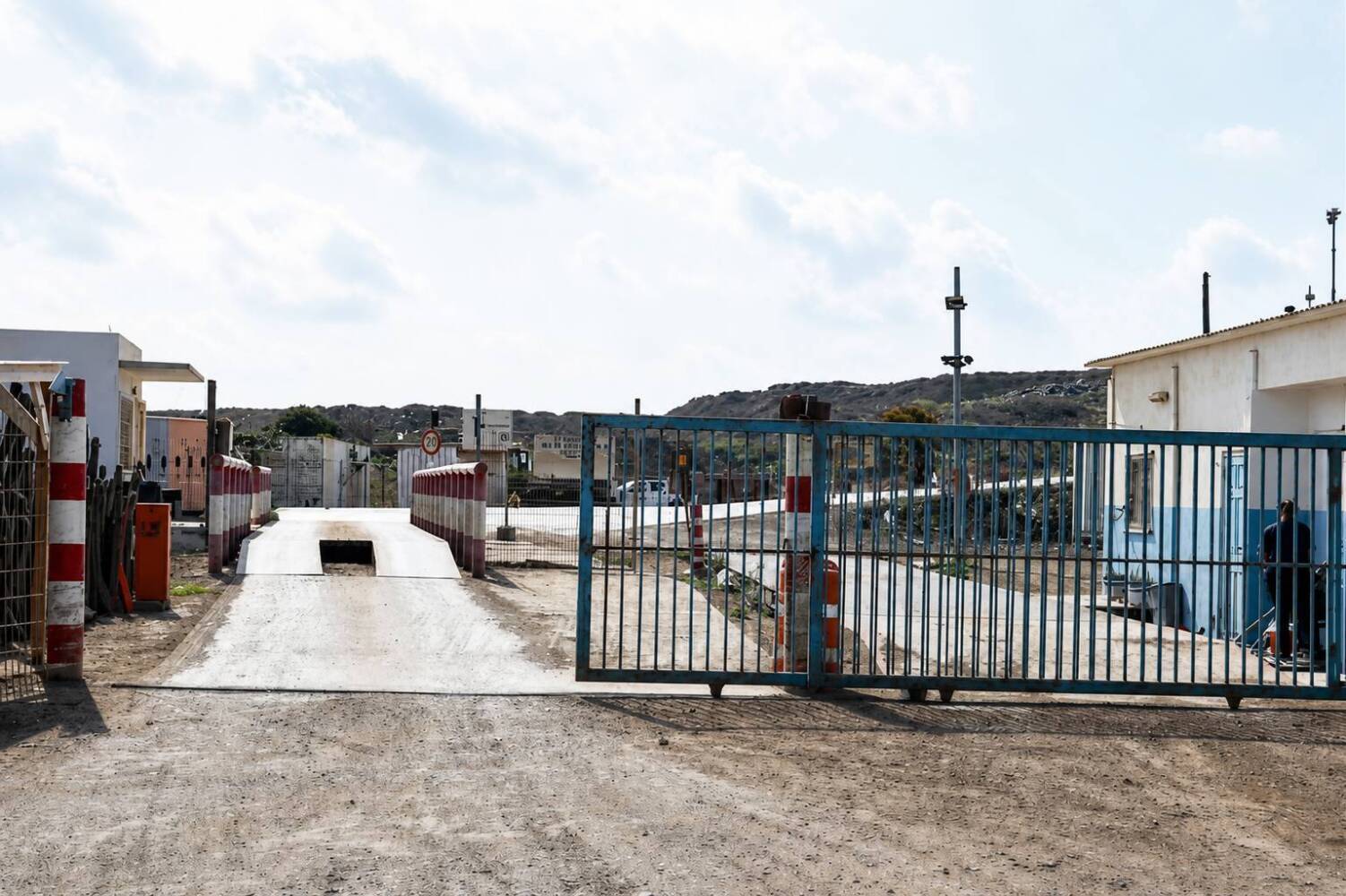
The Netherlands has a clear responsibility in solving the waste problem on Bonaire. Jolinda Craane, interim faction leader of the Bonaire Patriotic Union (UPB, Union Patriótiko Boneriano) – the largest party in the Bonairean Island Council – said this during the current visit of the body to the Netherlands. The issues surrounding Selibon are high on the agenda during the visit.
“Bonaire is calling for cooperation based on equality and equal partnership. The governance vision we support is an approach where Bonaire takes responsibility, but at the same time expects the Netherlands to do the same,” said Craane. According to her, the recent development around Selibon shows that this shared responsibility is increasingly taking shape.
Important steps taken
Bonaire has already taken important steps regarding waste management recently. On June 19, the Public Entity Bonaire (OLB, Openbaar Lichaam Bonaire) and the Dutch Ministry of the Interior and Kingdom Relations (BZK, Binnenlandse Zaken en Koninkrijksrelaties) signed an addendum to the administrative agreements regarding Selibon/Lagun. With this, both parties confirm their joint commitment to carry out the agreements reached in November 2025. The Dutch Ministries of Infrastructure and Water Management (I&W, Infrastructuur en Waterbeheer) and Agriculture, Fisheries, Food Security and Nature (LVVN, Landbouw, Visserij, Voedselveiligheid en Natuur) are also involved in this.
In addition, the Dutch State Secretary Annet Bertram (CDA, I&W) recently announced that the regulations will be adjusted. Because of this, the Executive Council of Bonaire will no longer be the competent authority and the one ultimately responsible for the waste processing location. In a letter to the House of Representatives, Bertram called the situation at Selibon ‘serious’. “We are dealing here with a risk to the environment and public health,” the State Secretary wrote.
More Responsibility for the Netherlands
With the proposed change in the law, the Dutch Human Environment and Transport Inspectorate (ILT, Inspectie Leefomgeving en Transport) will get a more active and preventive role in supervising waste management companies on Bonaire, Sint Eustatius, and Saba – the BES islands.
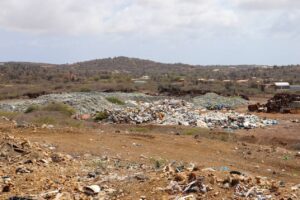
This means that from now on, the Netherlands will have greater responsibility for licensing, supervision, and enforcement. According to Bertram, adjusting the regulations is expected to take at least six months, but this is seen as an important step toward a structural solution. The Netherlands is currently already the authority responsible for fuel storage tanks on the BES islands. With the new regulations, landfills, like Selibon’s, will also fall under that responsibility.
Call from Bonaire heard
For Craane, the development is a confirmation that Bonaire’s call has been heard. “It is positive that the Netherlands recognizes that the issues around Selibon are not exclusively a local responsibility. This file requires a joint effort from Bonaire and the Netherlands,” Craane said. While the talks in the Netherlands continue, one conclusion seems to become increasingly clear: The Hague is taking on a larger role in tackling an issue that has been a source of concern for the environment, public health, and government on Bonaire for years.